
Do you need a permit to clear land in Hamilton County, TN?
It depends on where the land sits and how much ground gets disturbed. Inside Chattanooga city limits, the city’s Land Disturbing Permit can apply from 1,000 square feet. The Hamilton County Water Quality Program and the state start at one acre. Work near streams or wetlands has its own rules.
Tennessee’s 2026 construction stormwater permit took effect October 1, 2026, with new and updated forms. Before any clearing starts, confirm the rules with the office that covers your address.
This guide sums up what the agencies publish, and it is not legal advice. Three Crosses Land Services does residential land clearing with a drum mulcher on a mini skid steer. We also grind stumps and haul brush on a dump trailer.
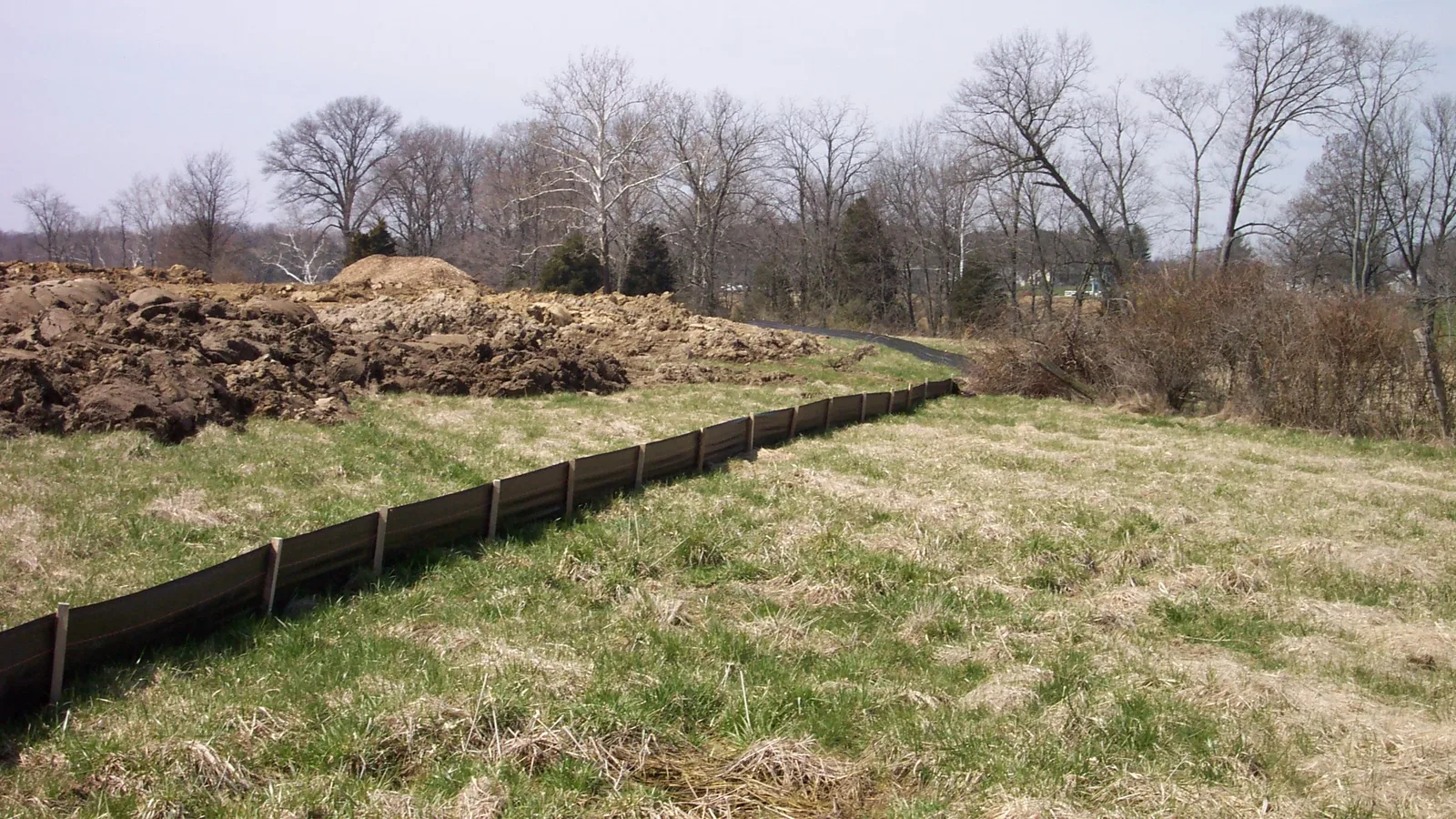
Grading, excavation and building pads are not our work, and neither are stormwater plans (SWPPPs), silt fence or other erosion controls.
Which permit applies to your land?
The address picks the local office, and the acreage decides whether the state steps in. Chattanooga runs its own program inside city limits. The Hamilton County Water Quality Program covers unincorporated Hamilton County plus seven cities and towns. State permits come from the Tennessee Department of Environment and Conservation (TDEC).
| Permit | Who issues it | When it applies | Fee | Source |
|---|---|---|---|---|
| Land Disturbing Permit | City of Chattanooga | Inside city limits: 1,000 square feet or more of land disturbing activity, or work near Waters of the State or wetlands | $250 per acre or part of an acre, $250 minimum | City permit page |
| Stormwater variance | City of Chattanooga | Any land disturbing activity inside the 30 or 60 foot stream buffer zones | $1,375 | City variance page |
| Land Disturbance Permit, with a Runoff Management Permit | Hamilton County Water Quality Program | Unincorporated county and the seven program cities and towns: one acre or more, or less as part of a larger common plan | $95 plus $5 per disturbed acre or part of an acre | County rules and permit application |
| Construction stormwater permit | TDEC | Clearing, grading or excavation of one acre or more anywhere in Tennessee, or less as part of a larger common plan | $250 for 1 to under 5 acres, $1,000 for 5 to under 20 acres | TDEC permit page |
| Aquatic Resource Alteration Permit (ARAP) | TDEC | Altering a stream, river, lake or wetland | $50 for a personal residence or family farm | TDEC ARAP page |
Chattanooga’s trigger is small. A patch 25 feet by 40 feet adds up to 1,000 square feet. The county and state rules count acres, and both also reach smaller sites inside a larger common plan of development.
One job can need more than one permit. Over one acre, the city confirms the state’s Notice of Coverage before it issues its own permit. The county’s application packet asks for the state Notice of Intent or Notice of Coverage too.
What does Chattanooga require inside city limits?
A Land Disturbing Permit may be required once land disturbing activity reaches 1,000 square feet. It may also be required for work near Waters of the State or wetlands. The city’s land disturbing team answers at (423) 643-5892.
The fee is $250 per acre or part of an acre, with a $250 minimum up to one acre. The application needs at least a narrative, a checklist and a site plan with erosion and sediment control details. Review comments come back within 30 days. On a permitted site, temporary stabilization starts within 15 days when disturbed areas sit inactive.
Stream banks carry an extra step. Any land disturbing activity inside the city’s 30 or 60 foot riparian stream buffer zones needs a stormwater variance first. The buffers run along both sides of any Waters of the State or wetlands. The variance costs $1,375.
What does the Hamilton County Water Quality Program require?
A county Land Disturbance Permit and a Runoff Management Permit, once land disturbing activity covers one acre or more. Smaller sites need them too when they are part of a larger common plan of development. The county can also require a permit under an acre, such as for runoff polluting Waters of the State.
The program covers unincorporated Hamilton County plus Collegedale, East Ridge, Lakesite, Lookout Mountain, Red Bank, Ridgeside and Soddy-Daisy. The county defines land disturbing activity as any change to the soil cover or the lay of the ground. Soil cover includes vegetation, and the rules list clearing as an example.
The rules list three exemptions. One is emergency work needed right away to protect life, property or natural resources. Another is agricultural land management activities. The third is additions or modifications to existing family residential structures that disturb less than one acre.
None of the three names land clearing, so ask the county before counting on one. An exempt owner is still responsible for controlling erosion and sedimentation. Permit or not, land disturbing activity there cannot cause erosion or sediment loss into streets, storm drains and streams. The county calls sediment Tennessee’s leading pollutant of streams and rivers.
The permit fee is $95 plus $5 per disturbed acre or part of an acre. The county answers an application in writing within 30 days. A permit expires 12 months after it is issued. The Water Quality office answers at 423-209-7851.
Site visits commonly follow complaints, reports and referrals from other agencies. The report mailed afterward can list a time-sensitive Required Action. Failing to act as directed can bring civil penalties of $250 per incident. On top of that comes three times the program’s cost to remove the material or install required measures.
When do you need a Tennessee stormwater permit?
When clearing, grading or excavation disturbs one acre or more, anywhere in the state. Smaller sites need coverage too when they are part of a larger common plan of development or sale. TDEC says various land clearing activities have been covered under its general permit.
The 2026 permit took effect October 1, 2026, and it expires September 30, 2031. To get coverage, a primary operator prepares a Stormwater Pollution Prevention Plan (SWPPP). Next comes a Notice of Intent (NOI), a site map and the fee, filed through MyTDEC Forms. Once the NOI is complete, the state issues a Notice of Coverage.
The application fee is $250 for 1 to under 5 acres and $1,000 for 5 to under 20 acres. For technical help, TDEC points people to the closest Environmental Field Office. Its main line is (888) 891-8332.
What if the land runs along a creek or wetland?
Then a separate state permit can apply. Work within Waters of the State also needs an Aquatic Resource Alteration Permit (ARAP) from TDEC. TDEC’s examples of stream alterations include bank sloping, road and utility crossings, and filling or draining a wetland.
For a personal residence or family farm, the application fee is $50. Some general permits need no notice to TDEC and carry no fee. Coverage under a general permit normally takes three to four weeks. Inside Chattanooga, the city’s stream buffer variance can apply on top of the state permit.
When should you call 811 before clearing?
Before anything goes below grade. Tennessee 811 needs at least three working days’ notice for a normal locate request. Call 811 or 800-351-1111.
On a clearing job, stump grinding is the step that goes below grade. Before we grind, we put in a locate request with Tennessee 811. Private lines are not part of the locate. Point out any irrigation, dog fence wire or gas line to a grill.
Can you burn the brush you clear?
Only with a burn permit, and only in season. Seasonal burning in Hamilton County is allowed with a valid permit from October 1 to April 30. The Chattanooga-Hamilton County Air Pollution Control Bureau issues it, apart from any land permit. Our Hamilton County burn permit guide covers the fees, the burn days and what can go on the pile.
We do not burn brush piles for customers. The drum mulcher grinds standing brush into chips that stay on the ground. The same machine handles clearing under the trees you keep, with the big trees left standing.
Open fields that only need knocking back take bush hogging with the rotary cutter. A pile that is already stacked can ride out on the dump trailer in any month.
How do permits fit into the cost of clearing land?
Permit fees go to the office that issues the permit, apart from the cost of the clearing. A permitted job also needs plans. The city wants a site plan with erosion and sediment control details. The county’s packet lists civil site plans and a SWPPP.
Preparing those plans is a cost of its own. For the clearing itself, our land clearing cost per acre guide lays out published Tennessee ranges and what moves them. Our own number comes from a free estimate on site.
Getting a real answer for your address
Start with the address, then the acreage. Inside Chattanooga city limits, call the city’s land disturbing team at (423) 643-5892. In unincorporated Hamilton County or the seven program cities and towns, call Hamilton County Water Quality at 423-209-7851. For one acre or more, or work in a creek, TDEC’s main line is (888) 891-8332.
Our estimate is free, and it starts with a look at the growth and how the machine gets in.
Three Crosses Land Services is a veteran-owned family business based just north of Chattanooga, TN. We are licensed and insured, and we cover Chattanooga, Southeast Tennessee, and Northwest Georgia. For residential land clearing on your lot, call or text (423) 260-5675.